
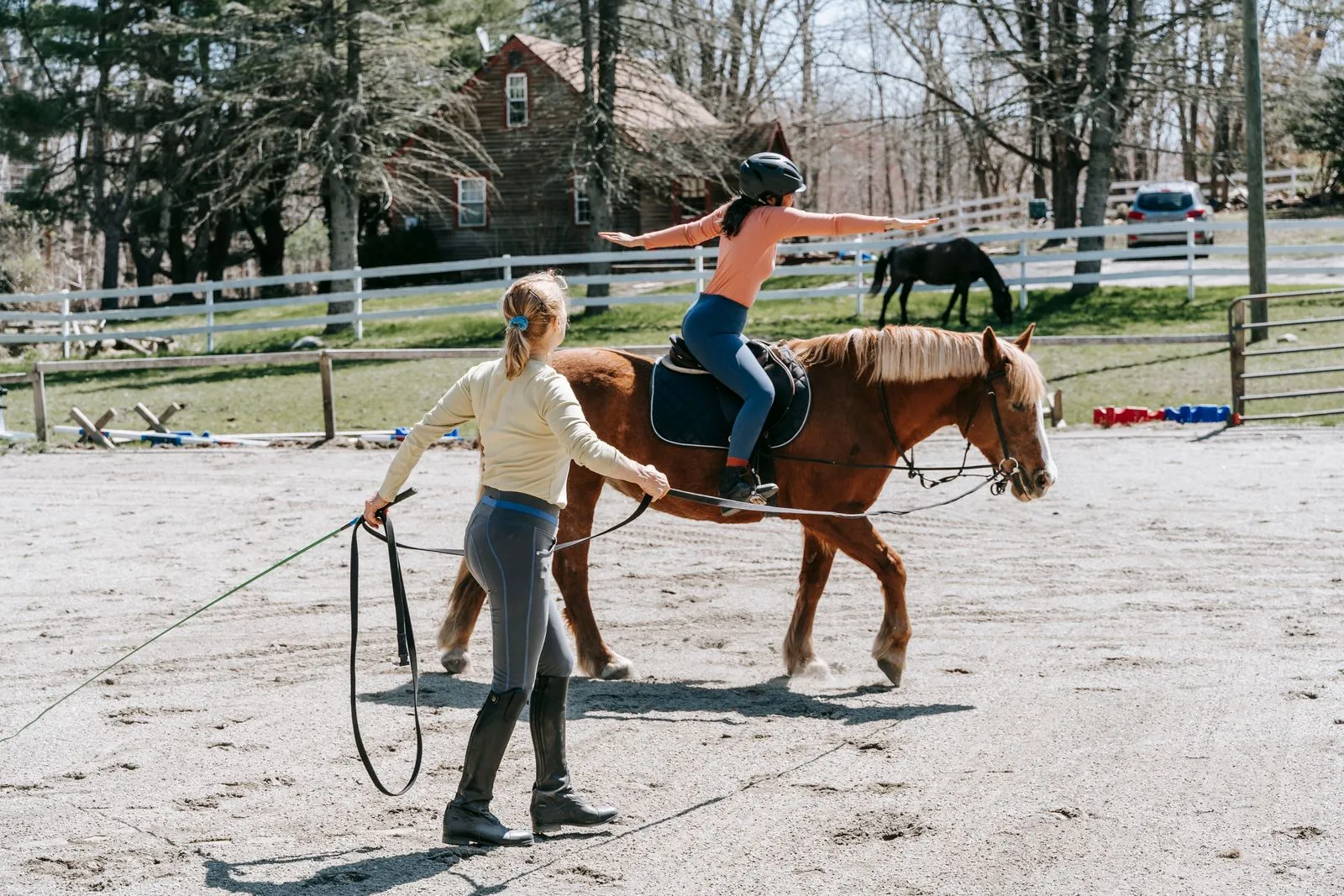
Riding is only one part of learning about horses. In pony club, children can also take part in grooming, handling, and everyday stable routines. These jobs help them notice what a horse needs and practice treating an animal with care. Over time, a child learns that a good ride starts before getting in the saddle and continues after dismounting. The habits they build around the stable can support confidence, patience, and responsible horsemanship.
Grooming Builds Observation
Brushing a pony is more than a way to tidy its coat. With guidance, children learn to check for dirt, loose hair, small scrapes, or areas that seem sensitive. They also discover that horses may react differently to touch, so gentle movements and close attention matter. These simple observations help a young rider become more aware of the pony as an individual, not just a ride.
A grooming routine gives children a practical way to prepare for riding. Cleaning the coat and checking the areas beneath tack can help prevent discomfort. A child can learn to use brushes in the right order, keep tools organized, and ask an instructor for help when something looks unusual. Adults should supervise, especially around the legs, face, and any area where the pony seems uneasy.
Handling Teaches Respect
Leading, standing beside, and moving around a pony teach children to pay attention to space and body language. They can practice approaching calmly, holding a lead correctly, and following an instructor’s directions. A pony is strong, so children need clear, consistent guidance rather than pulling or rushing. Learning to pause and wait also helps them understand that safe handling depends on the person’s choices.
Children can begin to recognize basic signals, such as a pony turning its head, shifting its feet, or becoming unsettled. These cues do not replace an instructor’s judgment, but they give young handlers a reason to stay alert and communicate concerns. Safe habits include wearing suitable footwear, avoiding sudden movements, and never wrapping a lead rope around a hand. Supervision keeps each interaction appropriate to the child’s experience.
Stable Routines Build Responsibility
Everyday stable tasks show children that horse care follows a routine. Depending on the school’s rules and the child’s age, a student might help put away grooming tools, tidy an area, refill a water bucket, or prepare equipment with an adult. These jobs connect care with consistency: horses rely on people to notice what needs doing and to complete tasks carefully.
Routines also make it easier for children to remember what happens before and after a lesson. They can learn to check equipment with an instructor, return items to their proper place, and leave the stable area clean. Children should not handle feed, medications, heavy equipment, or stall-cleaning tools unless staff have approved the task and are supervising. Clear limits make participation safer and more useful.
Care Makes Riding More Meaningful
When children help care for a pony, they begin to connect the animal’s comfort with their time in the saddle. They may notice how a careful grooming session helps the pony get ready, or why equipment must be checked before use. This perspective encourages patience: progress is not only about learning a new riding skill, but also about showing up prepared and responding thoughtfully.
Families can reinforce these lessons by asking children what they noticed, which tasks they practiced, and when they asked an adult for help. Keep the conversation focused on specific actions rather than expecting a child to manage horse care independently. The instructor sets the safety rules and decides which tasks suit each student. With steady guidance, stable time becomes a hands-on lesson in kindness and responsibility.
Grooming, handling, and stable routines help children understand that horses need attention both in and out of the arena. They practice observing, following safe directions, and completing age-appropriate tasks with care. Ask a pony club instructor which horse-care activities are suitable for your child, and let those small routines become part of the learning.